

The number of vehicles in India in the past few years has grown explosively. With over 389.77 million registered vehicles as of February 2025, the transportation sector is one of the industries that is struggling with this problem.
However, it’s high time that we realise that vehicular emissions are one of the contributors to environmental pollution, besides stubble burning, industrial activity, and growing construction demands.
Amidst the environmental chaos, Electric Vehicles are proving themselves as a strong contender in India’s war against pollution. How? They come with zero tailpipe emissions and lowered dependence on fossil fuels.
This detailed blog post explores the rising demand for EVs in India, the environmental impact driving this change, and the real-world progress that will determine the future of clean mobility.
The Impact of India’s Growing Vehicle Fleet on the Environment
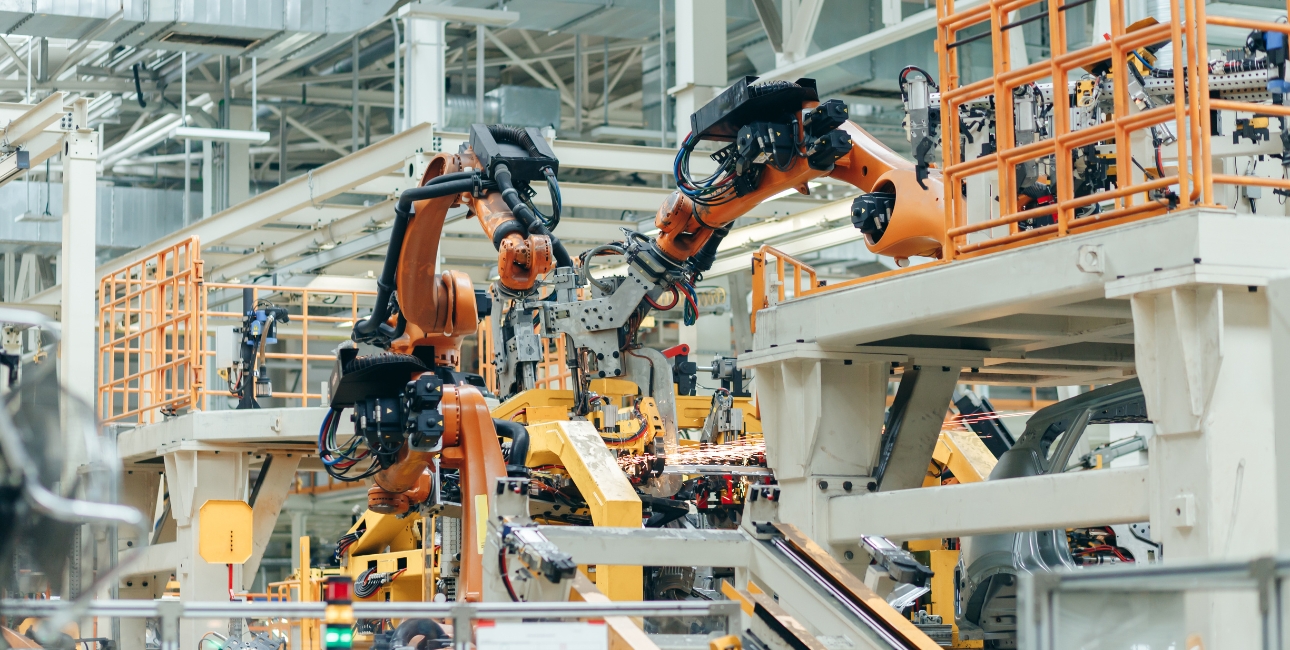
Today, India is struggling with a severe air pollution crisis, and one of the major culprits is the expansion of its vehicle fleet. With hundreds of millions of internal combustion engine (ICE) vehicles on the road, emissions of NOₓ, PM₂.₅, and CO₂ are choking many cities.
Even though there are frequent smog alerts in Delhi, Kanpur, and other metros. Moreover, as per some studies, emissions produced from automobiles contribute a significant share to urban air pollution.
Two-wheelers and three-wheelers are found as the most common vehicle types in urban areas, contributing to the high pollution challenges. Meanwhile, a few cities have started investing in mass transit, which includes metros and Bus Rapid Transit (BRT) systems. Therefore, a mix of vehicles and fuels is continuously changing with the availability of cleaner technologies and fuels.
In the meantime, India’s demand for vehicles is showing no signs of stopping. And, increased vehicle ownership means more fuel consumption, more exhaust, and more pollution.
What would be a solution? EVs, you heard it right. This is the best alternative due to its multiple advantages, such as higher efficiency, lower air pollution, and reduced CO2 emissions.
Advent of EVs
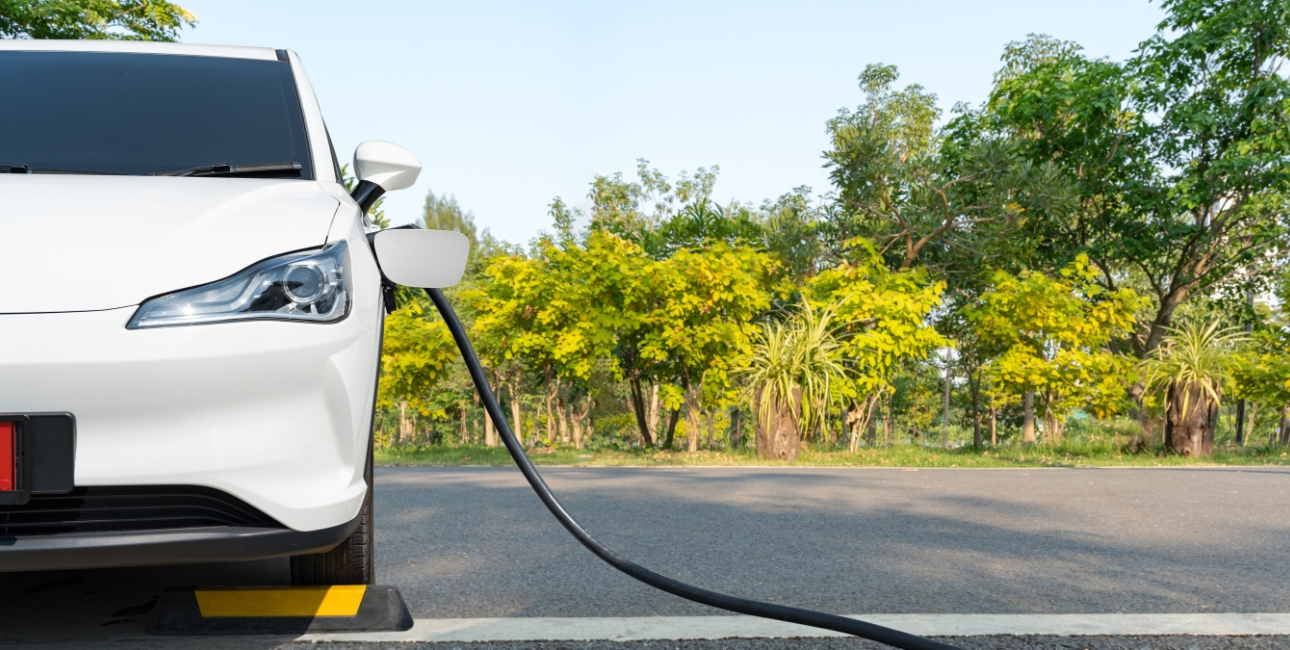
It includes a long and evolving history of electric vehicles. This dates back to the 19th century with experimental vehicles. It was at the beginning of the 21st century that interest in electric and alternative fuel vehicles increased. This upward trajectory was driven by growing concern over the problems associated with hydrocarbon-fuelled vehicles.
By now, these have become a trusted hope in this fight against pollution. The factors contributing to such a massive adoption include:
- The government introduced incentives like the PM E-Drive scheme and FAME II, which support EV purchase and charging infrastructure.
- Expansion of public charging network, from 5,151 chargers in 2022 to over 29,000 by mid-2025.
- There is increased private-sector investment and consumer awareness around cleaner mobility.
- Production-linked incentives on automobiles and batteries with advanced chemistry cells have encouraged the manufacturing of batteries.
- The encouraged production of 40 GWh of battery is expected to be achieved by February 2025.
Fun fact 😉: Over 6.5 million EVs were operating on Indian roads as of June 2025.
How EVs’ Adoption is Helping Lower Emissions
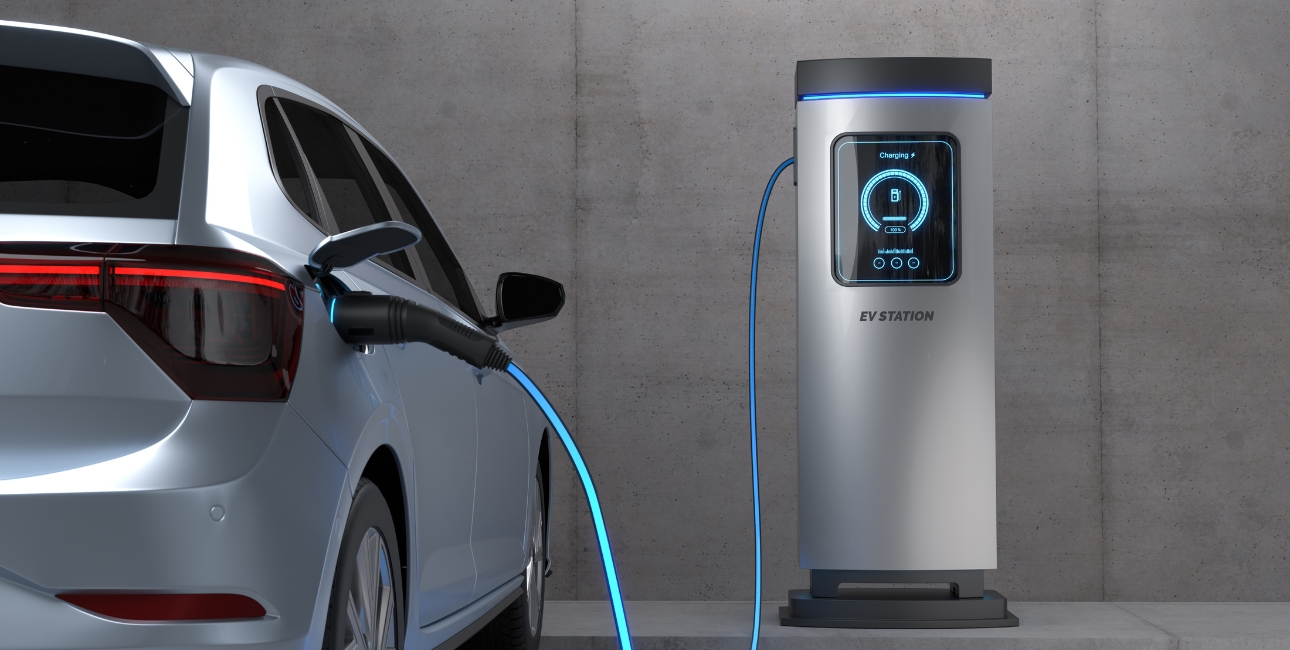
Besides being a trend, electric vehicles have gained market share across countries. It can deliver broader development benefits. For instance, they can directly cut on NOₓ, carbon monoxide, and particulate matter. As a result, it can improve the air quality over time in dense urban zones.
They are propelled by electricity and an electric motor. However, they require no fuel and have relatively few components that require maintenance, and have minimal running costs. Overall, they are good for the planet’s health.
Factors helping with lower emissions include:
- Charge Storage Devices and Batteries: Modern EVs are now rewarded with Lithium-ion batteries & charge storage devices. They present a norm in the industry due to extended longevity, excellent power preservation, and a minimal rate of self-discharge per month. Plus, the cost of these battery packs in India has significantly dropped, which is again contributing to their wider adoption.
- Next, Battery Management System and thermal controls these days have optimised battery performance and lifespan.
- Lastly, on the infrastructure side, Battery Energy-Storage Systems (BESS) support grid stability and enable the adoption of renewable energy.
The positive impact of electric vehicles was seen as strong in high-pollution months such as October and January. The time when festivals coincide with agricultural burnings. The lower PM and CO2 emissions slightly improved the situation with improved air quality in cities.
States like Delhi, Maharashtra, and Chandigarh have become the leaders in the India Electric Mobility Index (IEMI). As a whole, it demonstrates how the emergence of advanced technologies in the transportation sector can lead to decarbonising mobility while still supporting economic growth. However, this goes perfectly in accordance with India’s vision in the National Electric Mobility Mission Plan.
Real-World Impact
You can find various strong practical advantages of fleet electrification. One of the greatest examples of all time is: big brands like Zomato and Swiggy are now committed to ensuring that the fleet of vehicles is fully electric by 2030. They don’t just talk the talk, but have actually launched thousands of e-two-wheelers into service.
Besides them, Flipkart also manages over 10,000 EVs. Using them, their service partners carried out 55 per cent of grocery deliveries in major cities and took an oath to have a fully electrified fleet by 2030.
At its core, EVs are demonstrating the ability of innovation and alliances to bring positive change. They are not just making the air cleaner, but the planet as well. These positive changes are the combined efforts of policymakers, carmakers and consumers who contributed to the advent of low-emission engines.
Role of Lubrication Systems & Engine-Spare Parts
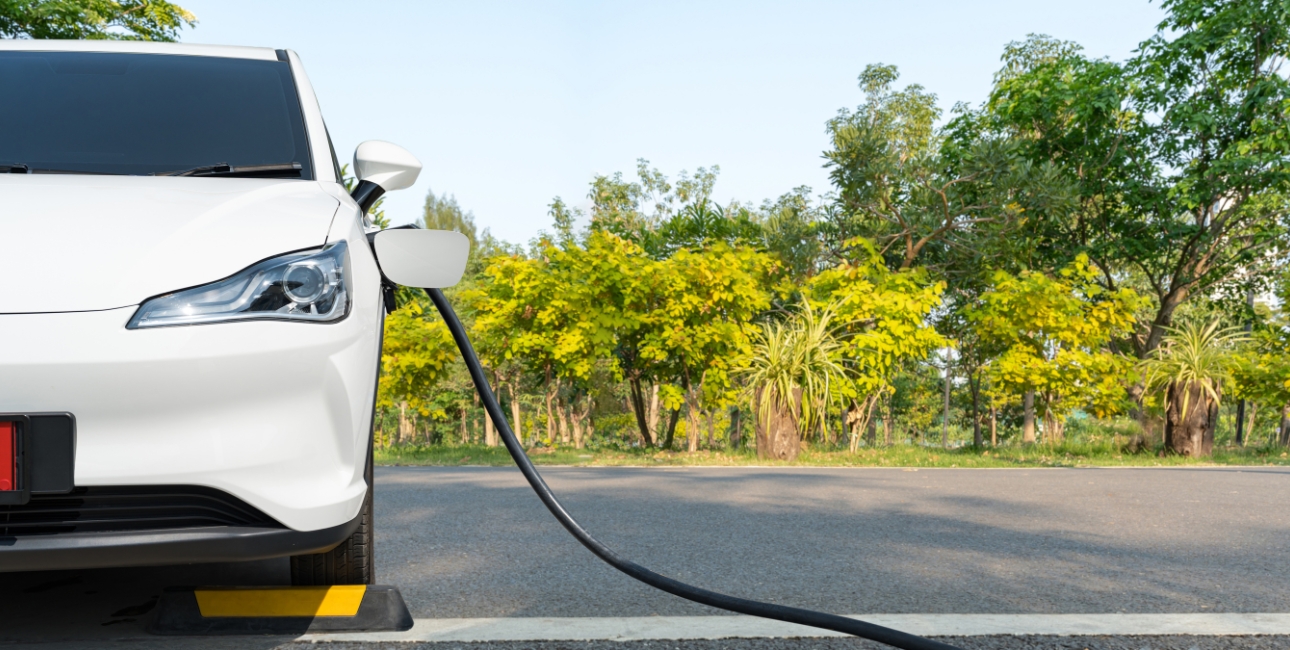
While EVs reduce reliance on IC vehicles, lubrication systems and engine parts remain absolutely important, especially as India transitions gradually.
Here’s how Autogorilla’s expertise matters:
- Lubrication Systems & Equipment
- As stated above, EVs have fewer moving parts than ICE vehicles, but hybrids and transitional fleets are still relying on high-quality lubrication systems and equipment.
- Predictive-lubrication systems and automatic lubrication units help minimise wear. Consequently, they are preserving performance and downsizing maintenance costs.
- Engine & Engine Spare Parts
- For a presently operating ICE fleet, spare parts like pistons, gaskets, and filters remain in high demand.
- As production shifts, hybrid locomotives also need specialised engine & engine spare parts to support both combustion and electric components.
Final Words
India has the capacity to continue down the high-pollution path and switch to a cleaner mobility revolution. EVs have, however, a considerable presence currently in India. The surging demand for them shows a strong choice is being made.
Overall, support of government policies and cooperation in the transportation industry can guarantee a cleaner atmosphere and a sustainable environment for future generations.
FAQs
Q1: What is the demand for electric vehicles in India?
A: The demand for electric vehicles in India is formerly driven by strong government policies. Now, there is a growing consumer interest and advancements in technology. As a result, the market is dominated by electric two- and three-wheelers.
Q2: Do electric vehicles reduce air pollution or not?
A: Absolutely yes, EVs release zero exhaust emissions, hazardous pollutants like NOx, PM2, and reduce noise pollution. In addition to this, their environmental impact may change due to the electricity source. So, consider using renewable energy for additional benefits.
Q3: What are the 5 logical advantages of electric vehicles?
A: EVs ensure noticeable differences, but they are also better for your pocket. It comes with lower running costs, lower maintenance costs, tax benefits, a reduction in secondary charges, and better resale value.
Q4: What is the 80% rule for EV?
A: As you all know, EVs are operated with energy provided by batteries. So, when it’s time to charge, individuals have to act smarter and stop charging it beyond 80%. It maximises the use of time.
Q5: How many EVs have caught fire?
A: The adoption of EVs often comes with a stress of “if they caught fire”. But the numbers are actually quite small. As per the reports, electric vehicles report 25 fires per 100,000 units sold.